
Signs of Rats or Mice
- Scratching or scurrying in the attic or walls at night
- Rice-sized droppings in drawers or along walls
- Chewed food packaging or shredded paper
- Gnawed wiring or insulation in the attic
- Greasy rub marks along beams or pipes
Roof Rats and Norway Rats
Roof rats are sleek climbers with tails longer than their bodies. They travel along fences and overhanging limbs and nest high in attics.
Norway rats are heavier, with blunt noses. They burrow along foundations and beside air conditioner pads and come in at ground level.
Scratching above the ceiling late in the evening is the classic sign of roof rats.
Mice in Walls, Cabinets and Garages
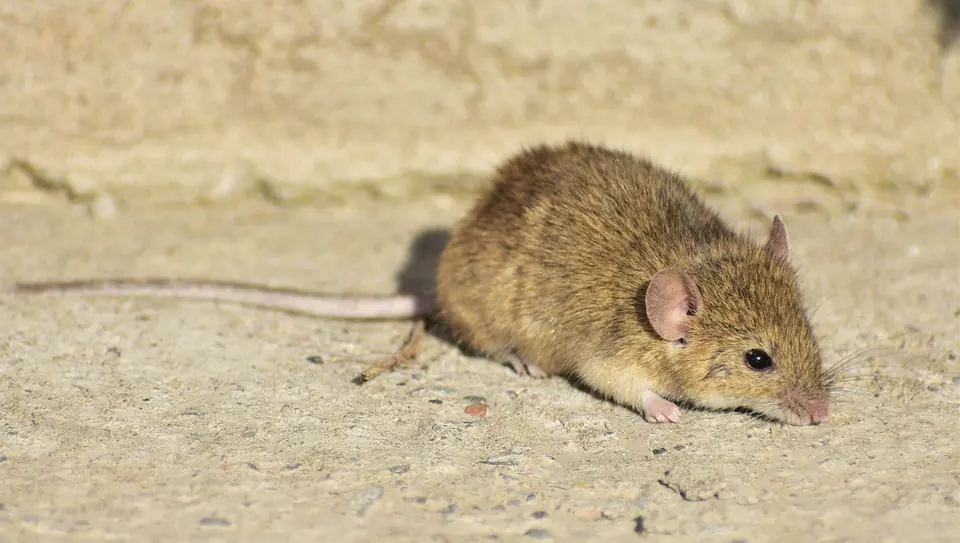
House mice fit through a gap about a quarter inch wide. They settle behind the stove, under the dishwasher and in boxes stored in the garage.
Why Entry Points Matter
Rodent teeth grow throughout their lives, so chewed wiring in an attic is a fire risk. Gaps at soffits, vents, roof returns and garage door seals are part of every rodent control conversation.
Rat and Mouse Questions
What are the signs of rats in the attic?
Scratching or scurrying overhead, often at night, droppings, chewed insulation or wiring, greasy rub marks along beams, and nesting material.
What kind of rats get into attics?
Roof rats are sleek climbers with tails longer than their bodies, and they nest high in attics and walls. Norway rats are stockier, with shorter tails, and burrow near foundations.
How do mice get into the house?
Mice can squeeze through openings about a quarter inch wide, and rats through about half an inch. Common entry points include gaps around pipes, cables and wires, vents, soffits and garage doors. Overhanging branches give roof rats a path to the roof.
What are the signs of mice in the house?
Small, dark, rice-sized droppings, chewed food packaging, shredded paper or fabric, gnaw marks, and scratching inside walls.
I hear scratching in my walls at night. Is it mice?
Often, yes. Mice and rats are most active at night and travel inside walls and ceilings. Droppings or gnaw marks nearby help confirm it.
Are rats and mice dangerous to have in the house?
They can contaminate food and surfaces and spread disease, and their gnawing can damage wiring, which is a fire risk. Wear gloves and avoid stirring up dust around droppings.
What do rodents chew in an attic?
Insulation, wiring, stored boxes, and wood or plastic around vents and pipes. Their teeth grow throughout their lives, so they gnaw constantly.
What attracts mice and rats to a home?
Food left out, including pet food and spilled seed from feeders, clutter that gives them cover, and easy openings. Trimming branches back from the roof and storing food in sealed containers makes a home less inviting.
Hearing scratching in the attic?
Call (512) 200-8685